
Our Impact
Turning Support Into Opportunity and Change
At Children Relief Service (CRS), we measure our work not only by the activities we carry out, but by the difference those activities make in people’s lives.
Since CRS began serving communities on 11 May 2014, we have worked alongside vulnerable children, young people, girls, women, families, refugees, and host communities in Dzaleka and surrounding communities.
The challenges are often greater than the resources available to us. But every child supported, every young person trained, every girl given an opportunity, and every family reached matters.
Our impact is built one person, one family, and one community at a time.
Impact Highlights
Our cumulative impact since 2014 reflects CRS’s commitment to protecting children, empowering young people, supporting families, and strengthening refugee and host communities.
Founded on 11 May 2014
3,000+ Children Supported Since 2014
CRS has supported more than 3,000 children through child protection, education, learning support, community initiatives, and other programmes designed to promote children’s safety, wellbeing, rights, and development.
2,000+ Young People Empowered Since 2014
Through education, vocational skills, mentorship, entrepreneurship, leadership development, and other youth-focused initiatives, CRS has empowered more than 2,000 young people to develop skills and pursue pathways toward greater self-reliance.
2,200+ Girls and Women Reached Since 2014
CRS has reached more than 2,200 girls and women through education, empowerment, skills development, protection, livelihoods, and community-based initiatives.
1,700+ People Reached Through EFL
Through the English as a Foreign Language (EFL) Bridge to Learning Programme, CRS has reached more than 1,700 learners with English language learning and educational support.
150+ Families Supported
CRS has provided support to more than 150 vulnerable families through food security, agricultural inputs, livelihood initiatives, and other community-based interventions.
Seeing the People Behind the Numbers
Numbers help us understand the scale of our work, but they do not tell the whole story.
Behind every number is a child, a young person, a woman, a family, or a community.
For us, impact can be seen in a young person gaining confidence after learning a practical skill. It can be a girl discovering an opportunity that was previously out of reach. It can be a family receiving food when there is little or nothing at home. It can be a child becoming more aware of their rights and where to seek help.
These changes may not always appear in a statistic, but they matter deeply to the people experiencing them.
Skills That Can Become Livelihoods
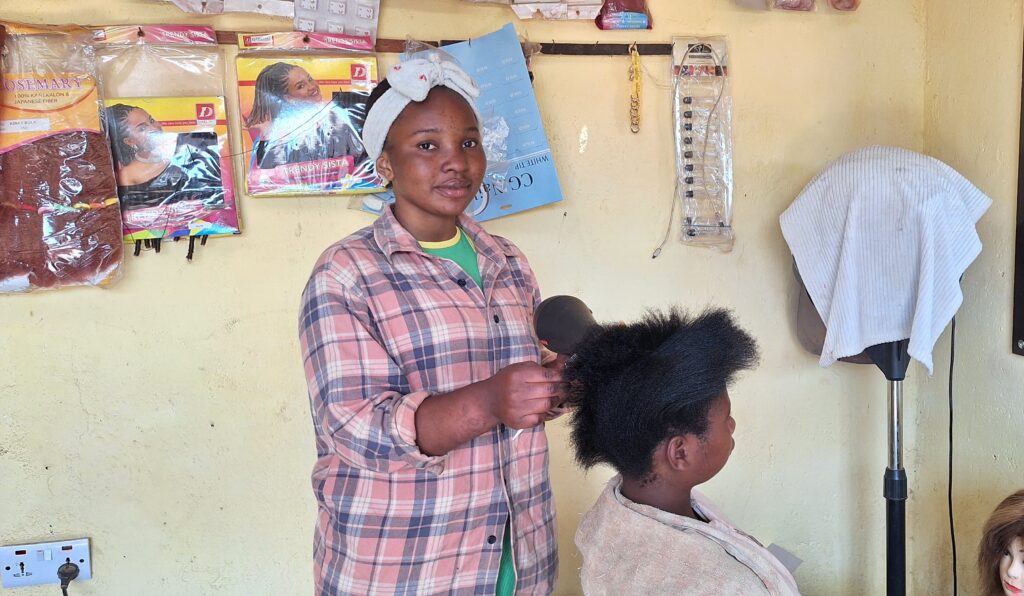
One area where we have seen encouraging change is vocational skills development.
Our training gives young people and other participants practical skills that they can use to create opportunities for themselves and their families.
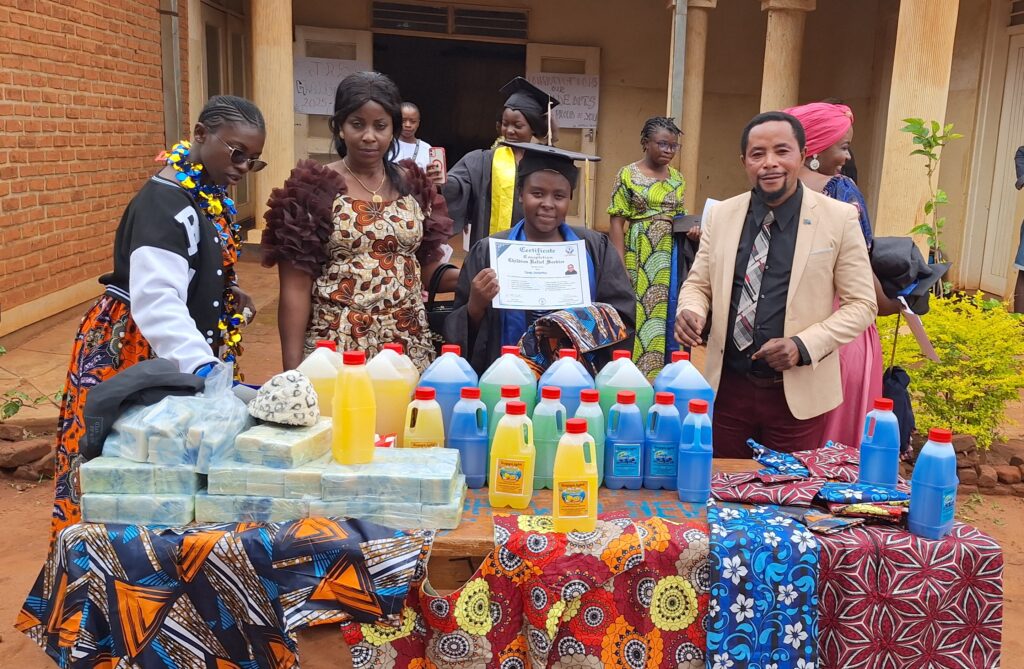
Training in areas such as tailoring, hairdressing, makeup, soap making, and glycerine production can become more than a learning experience. When participants are able to use their skills, access resources, and find opportunities to earn an income, training can become a pathway toward greater independence.
For us, the value of vocational training is not simply the certificate.
It is what happens when someone can take a skill and begin using it to earn an income, support a family, or create an opportunity for someone else.
Creating Pathways Toward Self-Reliance

Our programmes are designed to go beyond immediate assistance wherever possible.
We encourage people to develop practical skills, strengthen livelihoods, participate in their communities, and build confidence in their own abilities.
This is particularly important for young people and families living with limited economic opportunities.
We have learned that sustainable change takes time.
A training session alone does not change someone’s life.
Opportunity, continued support, access to resources, and the ability to use new skills are what can turn training into lasting change.
Protecting Children and Strengthening Communities
Child protection remains at the heart of CRS.
Our work seeks to help children and communities understand children’s rights, recognize protection risks, and create safer environments for children.
We also recognize that children’s protection is connected to the well-being of their families and communities.
When families face hunger, poverty, displacement, unemployment, or violence, children can become more vulnerable.
That is why CRS works across several interconnected areas rather than treating child protection as an isolated issue.
Our Impact Is Also in the Small Changes

Not every change can be captured by a number.
Sometimes impact is seeing a young person gain confidence after learning a new skill.
It is seeing a girl participate in training who previously had few opportunities.
It is seeing a family receive food when they have nothing at home.
It is seeing a child become more aware of their rights and where to seek help.
It is seeing community members come together to discuss problems affecting their children.
These moments may seem small, but together they represent the reason CRS continues its work.
What We Are Learning

Our experience has also taught us that needs continue to grow.
In communities affected by displacement and poverty, many families continue to face food insecurity, unemployment, interrupted education, protection concerns, and limited livelihood opportunities.
The reduction of humanitarian support has made these challenges even more difficult for many vulnerable families.
This means our work is far from finished.
The numbers we have reached are important, but they also remind us of how many people still need support.
Looking Ahead

We want to build on what we have learned and reach more people with programmes that are practical, inclusive, and sustainable.
Our priorities include strengthening:
- Child protection and safeguarding
- Access to education and learning opportunities
- Food security and sustainable livelihoods
- Vocational and entrepreneurship skills
- Girls’ and women’s empowerment
- Youth empowerment
- GBV prevention and response
- Community resilience
- Partnerships that can help communities access greater opportunities
We know we cannot meet every need alone.
But with communities, partners, donors, volunteers, and supporters working together, we can do more.
Beyond the Numbers

For CRS, impact is ultimately about people.
We want our impact to be measured not only by how many people we reach, but by whether people are safer, more empowered, more resilient, better able to access opportunities, and better equipped to shape their own future.
The work continues. The needs are real. And so is the potential for change.